 How-to
How to Rekey Rental Locks in Perth: Step-by-Step
Last Updated: November 7, 2026
Quick Summary
To rekey rental locks in Perth, a locksmith swaps the internal pins in each cylinder so the old keys no longer work, while the lock body and hardware stay in place. Get the landlord's written approval first, then have the locks checked, rekeyed, tested and recorded in a key register.
- Rekeying is generally quicker and cheaper than replacing a whole lock.
- Tenants should not change or rekey locks without the landlord's written permission.
- Rekeying works best when the lock turns smoothly and the bolt throws fully.
- Replace the lock instead if it is damaged, seized, forced or cannot be rekeyed.
- Test each new key and record every key issued before handover.
Table of Contents
Rekeying changes the internal pins inside a lock cylinder so that the old key no longer turns it, while the lock itself stays in the door, which is why many landlords choose to rekey rental locks between tenancies. This guide walks through the rekeying process step by step. A rekey is generally quicker and cheaper than a full replacement, which is why it is often considered first when rental locks need changing at a changeover.
A lock cylinder holds a set of spring-loaded pins. Each pin is split into a key pin and a driver pin, and the cut of the key lines these up at the shear line so the cylinder can turn. When a locksmith rekeys a lock, they swap in a new set of pin stacks that match a different key. The bolt, latch and door hardware stay exactly as they were.
Replacing a lock means fitting a completely new lock, often with new hardware and sometimes a new door preparation. That costs more and takes longer, but it is the right call when the existing lock is damaged, worn or outdated.
- Rekeying: keeps the same lock body, changes the pins, issues new keys
- Replacing: fits a new lock body and hardware, issues new keys
- Rekeying suits: a lock in good condition that is simply being handed to a new tenant
- Replacing suits: a broken, seized or insecure lock, or one that cannot be rekeyed
For most rental changeovers, a rekey closes the door on the previous tenant without the expense of new hardware. Whether a particular lock can be rekeyed depends on its condition, which we cover later in this guide.
Rental Lock Change Permission: Who Must Approve It in Western Australia
Before any work begins, the landlord needs to agree to a lock change. In Western Australia, the rules on who can change locks at a rental property depend on the tenancy arrangement, so check the current requirements with the Department of Mines, Industry Regulation and Safety, Consumer Protection tenancy guidance before scheduling a rekey.
Tenants should not change or rekey locks without the landlord's written permission (Rental home security - Consumer Protection). A common approach is for the tenant to request the change in writing, and for the landlord or property manager to confirm approval and any agreed cost split in writing as well.
Property managers usually handle this step for the owner. Keeping a simple written record protects both sides if a dispute about keys arises later.
When Rekeying Works and When a Lock Must Be Replaced
Rekeying works best when the lock is sound. Check the following before deciding:
- The lock turns smoothly with the key
- The bolt extends and retracts fully
- There is no visible damage, rust or forced entry marks
- The cylinder is the correct type for rekeying
- The door and frame are secure
If the lock sticks, the bolt does not throw properly, or the cylinder has been forced, replacement is usually the safer choice. A locksmith can confirm this during the visit. Some older or specialty locks cannot be rekeyed, so it is worth asking before you commit.
The Locksmith Rekeying Process, Step by Step
A locksmith typically follows a consistent sequence. Knowing the steps helps you ask the right questions and spot anything that looks wrong.
Preparing the Property and Confirming the Lock Condition
Before the work starts, prepare the property and confirm the details:
- Confirm the landlord's written approval
- Collect every existing key, including spares
- Clear access to the door so the locksmith can work safely
- Confirm how many locks need rekeying, such as front door, back door and garage
- Agree on the number of new keys to be cut
The locksmith then checks the lock condition, operates the lock with the existing key, and notes any defects that could affect the job.
Testing the Lock and Documenting the New Keys
Once the new pins are fitted, the locksmith tests the lock with each new key. The bolt should throw and retract smoothly, and the old key should no longer work. Record the number of keys issued and who received them.
Keep a simple key register with the date, the lock location, and the key holders. This is a useful record for future changeovers.
DIY Versus Professional Rekeying: Risks and Costs to Weigh
Some handy tenants and landlords attempt rekeying themselves using a DIY kit. This can work on simple cylinders, but there are real risks:
- Wrong pin configuration can leave the lock jammed or unable to lock properly
- Forcing a cylinder can damage the door or the lock
- A poorly fitted lock may fail to secure the property
- Incorrect keys can leave gaps in your key control
A professional locksmith brings the right tools and tests the result. For rental properties where security and accountability matter, most owners find the professional route the safer choice.
Pricing depends on the lock type, the number of locks, the time of day and the access required. Current pricing is available on the Right Away Locksmith Perth website, and you can request a quote before work begins.
Rental Property Security Checklist and Key Handover
Use this checklist at every changeover:
- Written permission from the landlord or property manager
- All previous keys collected and accounted for
- Locks inspected for damage or wear
- Rekeying carried out on every exterior and entry lock
- New keys cut and counted
- Old keys destroyed or stored securely
- Key register updated with holders and dates
- Each new key tested before handover
- Handover recorded in writing with the tenant
Clear key control protects the next tenant as much as the current one. Record every key issued and collect every key returned at the end of a tenancy.
Booking Your Rekey With Right Away Locksmith Perth
Right Away Locksmith Perth is a WA Police licensed, fully insured and bonded locksmith serving the greater Perth area. Our team offers upfront fixed pricing confirmed before work begins, fast metro arrival, and a warranty on labour and materials. Payment is available by PayID or card over the phone.
To book a rekey for your rental property, call 0487 222 038. Tell us how many locks you need changed and whether you have the existing keys, and we will confirm the next steps before we arrive.
Frequently Asked Questions
Can a tenant rekey locks on a rental property?
Not without the landlord's written consent. Under Western Australia's residential tenancy rules, a tenant generally needs the landlord's agreement before changing or adding locks, and the landlord may need to be given a copy of any new key. A tenant who rekeys without permission risks breaching the tenancy agreement. Put the request in writing, state which locks are affected and offer to provide a key. Keep the written approval on file so there is a clear record for both parties at the end of the tenancy.
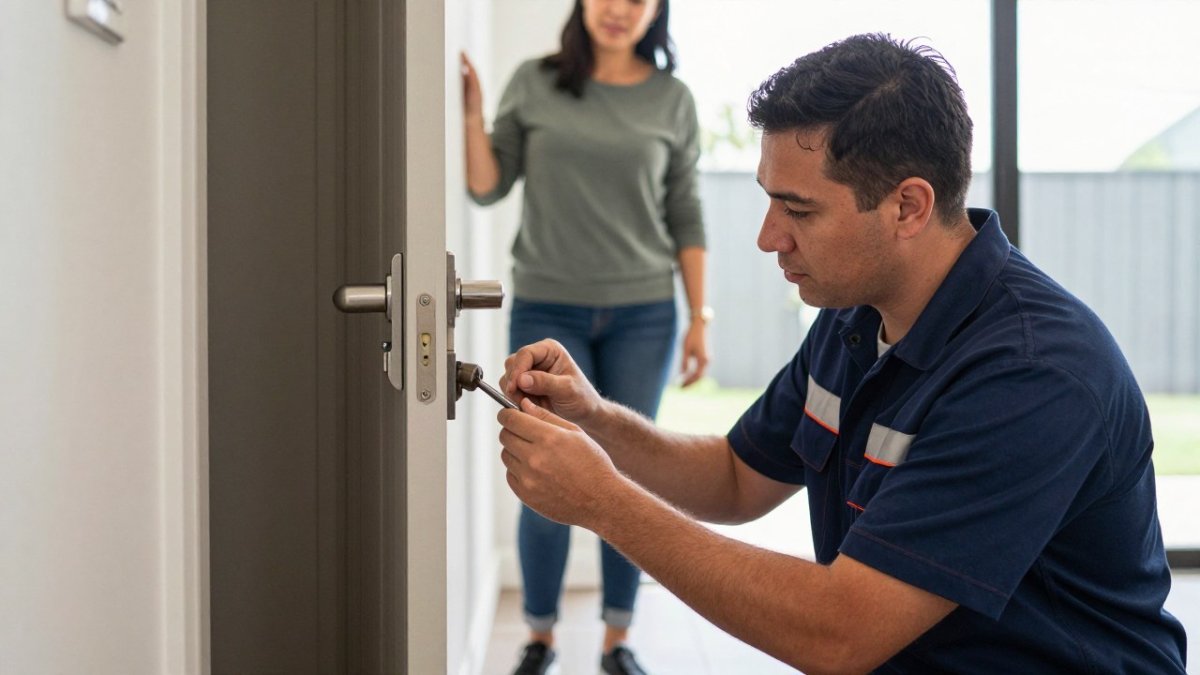
Do you need the landlord's permission to change rental locks?
Yes, in most cases. The tenancy agreement and Western Australian residential tenancy law set out who may change locks and how. Tenants should request approval in writing, explain the reason and confirm who pays. Landlords who want to rekey between tenants should also notify the tenant of the timing. Where the change is made in a shared or managed property, the property manager should record the change and receive the new keys before any handover.
How long does it take to rekey a rental lock?
A standard residential rekey is usually completed in a short visit once the locksmith is on site. Time depends on the number of locks, the lock type and whether the cylinders are accessible. Multi-door jobs take longer because each cylinder must be removed, re-pinned and tested. Right Away Locksmith Perth can confirm an estimate for your property before work begins, and current pricing is available on its website.
Is rekeying cheaper than replacing a lock?
Generally, yes. Rekeying changes the internal pins so the existing key no longer works and a new key does, while the lock body stays in place. Replacement means buying and fitting a new lock, which costs more in parts and labour. Rekeying is suitable when the lock is in good condition and compatible with the new keys. Replacement is the better option when the lock is worn, damaged or a security upgrade is wanted. Request a quote from Right Away Locksmith Perth for a figure specific to your lock.